Tampilkan postingan dengan label Deborah Madison. Tampilkan semua postingan

Clean-out-the-fridge Cream of Asparagus and Leek Soup

We still have a few things left in the freezer from last season's CSA farm box, but I used up the last of the leeks on this soup. The recipe is one I created myself after reading several different leek soup recipes in Deborah Madison's Vegetarian Cooking for Everyone. I started by soaking the frozen leek slices in water, this was both to thaw them, and to remove the sand. I melted some butter in a cast iron soup pot and added the leeks, and then chopped up the half onion I found in the refrigerator and put that in the pot as well. I also found some fresh dill, and fresh tarragon in the 'fridge, so I put that in as well, along with a bay leaf. I added a cup of prepared chicken broth, and then put in the chopped asparagus. I let everything simmer until the leeks and asparagus were tender, then added 1 tablespoon of flour, some garlic salt, and some pepper. Finally I put in 5 more cups of broth, and let everything simmer for about 20 minutes. When it was done simmering I removed the bay leaf, added about a 1/2 cup of half-and-half and used my immersion blender to puree the soup.

We served this with a green salad and some bread for a wonderful early spring dinner.

This can easily be made vegetarian by using vegetable stock.

Pigs in Blankets


This week we've been enjoying a visit from some Wisoconsin cousins. Extending our table with friends and family makes mealtime an especially relaxing part of our day. 

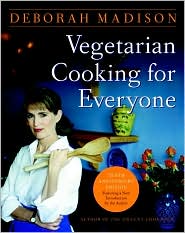
We revived an old favorite recipe at the request of our former vegetarian daughter. The last time we made this kid-pleasing dish was probably almost a decade ago, and we surely used Pillsbury refrigerated crescent dough. I wasn't about to do that at this point in my cooking journey, so I got out Deborah Madison's Vegetarian Cooking for Everyone (with emphasis on Everyone) and prepared some biscuit dough. 

I sifted together 2 c. flour; 2 t. baking powder; and 1/2 t. each baking soda and salt. I cut in 6 T. of butter, and then stirred in 1 c. of plain yogurt. I rolled out the dough and cut it into strips. My cousin assisted with assembly by slicing the hot dogs and wrapping a slice of cheese around them. We then wrapped a strip of dough around each dog. There was just enough dough for one pack of 8 hot dogs. I placed the wrapped hot dogs on a baking stone and baked for 16 minutes at 400 degrees  They turned out perfect! I put out some mustard and ketchup for dipping the "pigs". The adults enjoyed this with sangria.

Applish Waffles

Deborah Madison is back -- among our heaviest and most-used cook tomes is Vegetarian Cooking for Everyone, about which we have written frequently. Even such carnivores as Bill Clinton enjoy a good waffle; so Madison's inclusion of waffle recipes is indeed a service to "everyone."
Gary Trudeau alienated his friend Bill Clinton when he chose the waffle as the president's icon in Doonesbury. 
It is especially a service to me, the chief waffler of this house. (Insert snide commentaries here.) We had a waffle iron back in grad-school days, but it was the small-square variety, whose non-stick surface made a kind of cement of our batter. After many mornings spent scraping our waffles out of the iron with chopsticks, we concluded that this would be a restaurant-only meal for us, though we did spend some of our early parenting years in an unseemly relationship with Eggo.

Eventually, we took a chance on a Belgian-style waffle iron at a church rummage sale, and found that it worked well for us, at least long enough for us to get hooked on the concept again. We eventually purchased a new Waring Pro, which has worked out very well for us. The recipe that came with the iron was a strange, two-part riddle like something out of the Common Core, so I turned to Madison, whose batter is quite simple:

3 eggs, beaten
1-1/2 cups milk or buttermilk
1/4 cup canola oil or melted butter
1 teaspoon vanilla extract (we use pure vanilla at Casa Hayes-Boh)
2 cups flour
1 teaspoon baking powder
1/2 teaspoon baking soda
1/4 teaspoon salt

I sifted the dry ingredients together into a bowl. (Up until recently I would have whisked them, but our baking-expert friend Betty recently convinced us of the value of a sifter. We purchase gadgetry for our kitchen only after months or years of deliberation!)

For the wet ingredients, I took a somewhat different approach. If buttermilk is an option for a batter, I rarely buy that ingredient, but nor do I like to use ordinary, flat milk. To get the right texture, I will sometimes add a bit of lemon or lime juice to milk, giving it a few minutes to curdle slightly. More often, I mix plain yogurt with plain milk. In fact, this is why we usually keep plain yogurt on hand (in addition to its use as a healthy alternative to sour cream as a taco topping). But I had neglected to pick any up lately, so I took a walk on the wild side: I put a cup of apple-flavored Greek yogurt in a measuring cup, and added plain milk to bring it to 1-1/2 cups.

I then used Pam (no relation) to prepare the iron, and made two waffles. The second smart thing I did was to wait until our darling teen was awake to offer her a waffle, rather than trying to wake her on a Saturday for the purpose. Win-win-win!


Blizzard warning

We lost power here for three days, thanks to winter storm Nemo. The house got terribly cold, but we were able to prepare hot meals whenever we wanted thanks to our gas stove, which we can light with a match. We cannot however, use the oven in a power outage, so knowing that we would likely experience an interruption in service we found a recipe to bake on Friday evening, just as the first flakes began to fall. Our freezer is still stocked with frozen veggies from our summer CSA deliveries so I used some puréed squash to make squash flans, based on a recipe from good ol' Deborah Madison. The recipe also called for mixed greens, which I also had in my freezer. I started by mixing the thawed squash with1/4 t cumin and 1/4 t cinnamon, two eggs and 1/3 c milk. This mixture was divided into custard cups, which were then placed in a baking pan, filled halfway with boiling water. The pan was then put into a preheated 375 degree oven for 45 minutes. Meanwhile I prepared the sauce on the stovetop. I melted 2 T butter into a saucepan, and added a small chopped onion (Madison calls for a shallot, but I had none and was not prepared to fight the panicked storm shoppers at the grocery store). When the onions were browned I added red cooking wine, fresh ground peppers, and 2 t. Gin (a substitute for juniper berries according to ehow.com http://www.ehow.com/way_5344941_cooking-substitute-juniper-berry.html). This was cooked down by about half, then 2 more T butter were whisked in along with a few dashes of balsamic vinegar. The greens were defrosted in the microwave, then quickly heated on in a cast iron skillet with some olive oil. When the flan was cooked through I removed them from the oven and let them sit for a few minutes, then they were turned onto plates and topped with the sauce, with greens on the side. These were savory treat for a winter's eve. Next time I will use a bit more spice.

Green Beans Simmered with Tomato

I made this recipe several weeks ago, but just never got around to writing the blog post.

Just before our first frost (about a month ago) I picked all the unripe tomatoes from my garden and wrapped them in paper to ripen in our basement. Over the past few weeks I have been able to "harvest" the ripe tomatoes little by little. I was happy to use some of them in this simple recipe, from the ever popular Deborah Madison. Sliced onions were sauteed in olive oil for about 5 minutes, to which I then added a pound of frozen green beans, 2 diced tomatoes, a minced garlic clove, and a bit of water. This was simmered until the beans were just cooked when I added some fresh sage and parsley. Everything was simmered a few minutes more and served as a savory side dish to the rather salty and completely vegetable-less frozen chicken pie we had as our main dish. We rarely eat commercial frozen food, and this was a good example as to why.

Eggplant, again?


Yes, like beets, James and I have discovered a special fondness for what we previously considered to be the Rodney Dangerfield of our farm box. From James' exceptional Ratatatatouille, to our tasty eggplant/squash/tomato stifado from the Moosewood Restaurant Cooks at Home, and our daughter's delight at Eggplant Paremesan we now look forward to getting this funny purple vegetable in our weekly haul. Our latest  recipe discovery comes once again from Deborah Madison: Eggplant with Feta Cheese and Tomato. The name says it all. There aren't many more ingredients than what we find in the title of the recipe. The eggplant was sliced in half lengthwise, scored and fried in olive oil, cut-side down, in our indispensable cast-iron skillet until a nice golden color, then flipped over for frying for a few minutes on the other side. Removed from the pan and placed in a small casserole dish they were sprinkled with the garlic salt provided in the season's first farm box delivery (this was not called for in the recipe, but when you cook a lot, you just know what will be good!) and topped with feta. Finally, I skinned, peeled, and cooked down two large tomatoes into a chunky sauce, which was spooned on top of the feta.The eggplant was then cooked for about 40 minutes at 350 in the convection oven. These turned out to be a delightful, crispy, flavorful, and satisfying meal.


Something you can do with all that squash

Once again, we turn to Deborah Madison for help in finding out what we can prepare with our farm box bounty. We received a variety of different squashes this week, including a spaghetti squash. Adapting a recipe from Vegetarian Cooking for Everyone we selected a recipe that called for parsley (still growing fresh in our garden), garlic (also still have plenty from previous farm box hauls) and cheese. We began by simply putting the whole darn squash into a 375 degree oven. After one hour, we took it out and cut it in half lengthwise. The flesh was soft, and the seeds spilled out easily. We scraped the flesh out and added it to a heated pan with some butter, along with the minced garlic and parsley, as well as a red bell pepper (not part of the original recipe, but another fresh offering from our farm box.). To this we added some shredded asiago cheese, then we scrambled up some eggs to serve on the side. James and I both agreed that the garlic was a bit over powering, and the squash probably would have been better if we'd used sauteed onions instead. The dish was colorful though, and not unpleasant.

Leek & Potato Soup

I took advantage of the leeks that came in our weekly farm box delivery to try a soup that I had been curious  about for a while. I turned to our mainstay for vegetarian cooking - Deborah Madison - for the recipe, which was so simple I felt the need to embellish it a bit. With just seven ingredients listed (in addition to water): leeks (white part only); potatoes; butter; salt and pepper & and milk. I replaced half of the water with vegetarian soup stock to give this a little more body. Madison actually uses the word "meager" in her own description. This was very easy to make. I cooked the chopped leeks and potatoes in butter for about 10 minutes in the soup pot, then added the liquid (2 cups of soup stock + 2 cups of water) and simmered for about half an hour. Then added some milk and heated again before serving. While I wouldn't exactly use the word meager, it did seem to be lacking in flavor. Next time I will use a higher proportion of soup stock, more milk, and add garlic and a few more herbs. I did learn something very important in preparing this meal: the instructions said to "set the leeks in a bowl of water to soak while you prepare the potatoes, then lift them out with a strainer, letting any sand fall to the bottom". Good thing I followed that. I had no idea. I would have been pretty disappointed if I'd ended up with gritty soup. James made some potato bread in our bread machine to go with this, which made the meal more hearty.

Milk is optional in this recipe, so it can easily be made vegan.

Parm Perfection

Nueva Receta has been a bit quiet of late, as our late summer has had us enjoying some familiar recipes and more than our usual amount of dining out, during a lot of short family trips far from our recipe shelf. But now we are back in our culinary groove, and our attention returns to, yes, eggplant.

Over the weekend, we enjoyed a terrific end-of-summer party with friends who shared all kinds of local bounty. Our contribution included our raspberry whitbeer and the first bottle of our Barolo -- which turned out very well indeed, and is expected to get even better --  any my second batch of weapons-grade ratatouille of the year.

Because our daughter became very fond of eggplant Parmesan, my attention the next day turned to that vegetarian mainstay. I have seen her enjoy it at quite a few restaurants and though my previous attempts have been less than stellar, I decided to try again, with particular attention to texture. As regular readers of this blog will not be surprised to learn, I turned once again to kitchen goddess Deborah Madison, only slightly modifying her recipe on page 279 of Vegetarian Cooking for All.

I do not want to give the impression that cheese is always the route to bliss in Madison's pages, but it did once again contribute to the success of this dish.

I started with one large eggplant from Hanson Farm -- about as local as possible. It was fresher than anything from the grocery store would be, but it did take me a couple of days to get to this recipe. So where Madison writes that the slices (1/3-inch) should be salted for 30 to 60 minutes unless the eggplant is farm fresh, I decided to compromise. I very lightly salted the slices on both sides and left them out for 15 minutes while packing up the car for said daughter's return to school (this was to be a farewell dinner).

I then blotted them, remembering an overly salty try at this recipe last year, and brushed both sides with olive oil. I placed them under the broiler, first a bit close, then a bit far, then back close, until both sides were browned, almost charred. It is the nature of eggplant that they never got crisp (as they might if I had let the salting go longer), but I got them to a nice, caramelized state.

Meanwhile, I had mixed a small can of tomato paste with a 15-ounce can of tomato sauce, in lieu of the fresh tomato sauce that Madison calls for. As this heated, I stirred in slivers of basil cut directly from our garden. I then brushed a very small amount of oil into a baking pan, spooned in some of the sauce, and layered the semi-charred eggplant -- I had just one layer, but more would have been great. Over this I sprinkled shredded mozzarella (Madison recommends slices of fresh mozz if available) and spooned over the remaining sauce.

And then, of course, I sprinkled some cheese from our friends in Parma, grateful that the earthquake earlier this year did not get it all! I then baked for 25 minutes at 475 (convection), so that the sauce itself became sweet and sticky, along with the cheese. I had managed not to exceed the recipe's cheese parameters -- as I am often tempted to do -- but the meltiness made this dish just perfect for our daughter's sendoff.


We Got the Beet


The Go Go's always had the beet! The Rockefeller Center version confirms that these young ladies are part of our generation.

Readers of this blog might already know that beets are among our biggest local-food challenges. We try to eat all of our vegetables, but the icky texture and the aggressive blandness seem to dominate anything we prepare with beets. Once again, kitchen goddess Deborah Madison came to our rescue, with a green salad based on her "Grated Beet Salad with Cumin" (itself a variation of another salad on page 155 of Vegetarian Cooking for All).

I started by preparing the lime-cumin vinaigrette (p 185), a complex and savory sauce whose flavor could not be beeten. I began by mashing one garlic clove (from our Cochester Neighborhood Farm share) with 1/8t salt in our small mortar. Then I combined this with the zest of two limes and the juice of one lime (reserving a little straight lime juice for the chef!), 2T chopped scallions (also farm box) and half a chopped jalapeño. Then I toasted 1t cumin seeds in a dry cast-iron skillet (Madison calls for 1/2t each of cumin and coriander, but I could not find the latter). I cleaned out the mortar in order to crush the toasted seeds, and mixed them in, then whisked in 1/4t dry mustard and 1/3 cup olive oil (completely forgetting that I could have used jalapeño oil from L.O.V.E. --- more on that in a future post).

Now for the star of this salad, which we improved by demoting it to a supporting role. The recipe calls for one pound of beets -- I knew we did not have that much, but I used all we had, which was four or five small beets. I peeled and shredded them (again, see last year's gratin post for shredder details) and blanched them in boiling salt water (that is, I put them in only for a minute). I then drained, blotted, and sieved them so that I would not have a wet mess. At this point, we realized that -- for the first time in our lives -- we did not have enough beets! We were actually sharing this salad with friends, so Pam had the brilliant idea of combining it with cucumbers and greens -- also from this week's farm share -- before applying the lime-cumin concoction.

The result was actually delicious -- the greens solved the texture problem and the vinaigrette provided more flavor than even beets could absorb.
Older Post ►
 

Copyright 2011 my many cookbooks is proudly powered by blogger.com